Myomectomy in Turkey: Uterus-Preserving Fibroid Surgery
What Is Myomectomy?
Myomectomy is the surgical removal of uterine fibroids while preserving the uterus. Fibroids (myomas) are benign tumors that develop from the muscular layer of the uterus and are very common in women.
For international patients considering myomectomy in Turkey, Assoc. Prof. Dr. Doğukan Özkan provides individualized evaluation and uterus-preserving surgical treatment in Ankara.
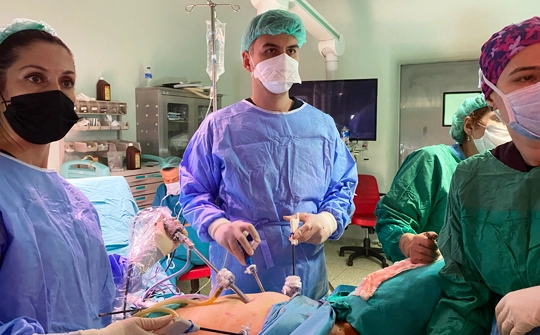
Not every fibroid requires surgery. In fact, many fibroids can be monitored for years without causing any symptoms. However, some fibroids may become clinically significant due to heavy menstrual bleeding, anemia, pelvic pain, a sensation of pressure, infertility, recurrent pregnancy loss, or complications during pregnancy. In such cases, myomectomy is an important surgical option, particularly for patients who wish to preserve their uterus or plan to become pregnant in the future.
What Is Uterus-Preserving Fibroid Surgery?
It would be incomplete to view myomectomy simply as “fibroid removal surgery.” The main goal is not only to remove the fibroid. The goal is to preserve as much uterine tissue as possible, safely repair the uterine wall, control bleeding, relieve the patient’s symptoms, and, if applicable, make future pregnancy plans safer. For this reason, fibroid surgery is a uterus-preserving procedure that requires careful attention to the surgeon’s anatomical knowledge, respect for tissue, bleeding management, and suturing technique.
In its Practice Bulletin on the management of symptomatic uterine leiomyomas, the American College of Obstetricians and Gynecologists emphasizes that medical, interventional, and surgical options for fibroid treatment should be evaluated together with the patient’s symptoms, age, desire for pregnancy, fibroid type, and treatment goals. Myomectomy (uterus-preserving fibroid surgery) is an important option, especially for symptomatic patients who wish to preserve their uterus, but it is not automatically necessary for every fibroid.
The most critical decision points in myomectomy are whether surgery is truly necessary and which approach should be used. The method is determined by the fibroid’s proximity to the uterine cavity, its depth within the uterine wall, whether it grows outward, the number and size of fibroids, the patient’s age, bleeding status, presence of anemia, desire for pregnancy, and any previous surgeries.
While a submucosal fibroid can be removed hysteroscopically, a deep intramural fibroid may require laparoscopic, robotic, or open surgery.
Should Fibroids Always Be Removed?
No. The vast majority of fibroids are benign, and not every fibroid needs to be removed.
Fibroids that are detected incidentally, are small, cause no symptoms, do not distort the uterine cavity, and do not show rapid growth can often be monitored. In fibroid management, “having a fibroid” alone is not a reason for surgery. The real question is what effect the fibroid is having on the patient.
Fibroids may be associated with:
- Heavy menstrual bleeding,
- Bleeding with clots,
- Anemia,
- Intermenstrual bleeding,
- Pelvic pain,
- A sensation of abdominal pressure,
- Frequent urination,
- Constipation,
- Pain during intercourse,
- Infertility, or
- Pregnancy loss.
However, not all of these complaints are necessarily caused by fibroids. For example, heavy menstrual bleeding may also be related to adenomyosis, endometrial polyps, ovulation disorders, or bleeding disorders. Difficulty conceiving should be evaluated together with age, ovarian reserve, sperm quality, the fallopian tubes, endometriosis, and intrauterine factors.
For this reason, when deciding on myomectomy, not only the size of the fibroid in centimeters but also its location and clinical impact are important. A small submucosal fibroid growing into the uterine cavity has a greater effect on bleeding and infertility than a larger subserosal fibroid growing toward the outside of the uterus. That is why there is no single answer to the question, “What size fibroid requires surgery?”
Ultrasound is an important tool in fibroid monitoring. The size, location, and number of fibroids, their effect on the uterine cavity, and their growth rate over time are evaluated. However, monitoring is not limited to imaging. The patient’s amount of bleeding, hemoglobin and ferritin levels, pain level, pressure symptoms, and pregnancy plans should also be followed. If a fibroid is silent, monitoring is appropriate; if it causes symptoms, treatment is considered.
Who Is a Suitable Candidate for Myomectomy?
Myomectomy is most often considered for patients who wish to preserve their uterus. This group includes women who plan to become pregnant in the future, patients who do not want their uterus removed, and patients whose symptoms are expected to improve while preserving the uterus.
Myomectomy (uterus-preserving fibroid surgery) may be considered particularly for submucosal fibroids, intramural fibroids that distort the uterine lining, fibroids causing heavy bleeding, large fibroids causing pressure symptoms, and fibroids that may affect pregnancy plans.
The decision is more delicate in patients who wish to conceive. The effect of a fibroid on fertility varies according to its location. It is known that submucosal fibroids can negatively affect fertility and that their removal may improve pregnancy outcomes. Subserosal fibroids, on the other hand, are generally considered to have no significant effect on fertility. For intramural fibroids, size, number, and proximity to the uterine cavity are important. This group is more controversial and falls into a gray area. A systematic review by Pritts and colleagues reported that submucosal fibroids reduce fertility outcomes and that their removal may be beneficial, while subserosal fibroids do not significantly affect fertility.
The Cochrane review evaluating fibroid surgery for subfertility also shows that the effect of myomectomy varies according to fibroid type, surgical approach, and patient group, and that current evidence does not provide a definitive, generalizable answer for every patient.
For these reasons, in a patient presenting with infertility, the decision for fibroid surgery cannot be made simply on the basis of “there is a fibroid, let’s remove it.” It must be evaluated together with age, duration of infertility, fibroid location, semen analysis, tubal status, ovarian reserve, embryo/IVF plans, and previous treatment history.
Myomectomy (uterus-preserving fibroid surgery) is also an important option for patients with heavy bleeding who wish to preserve their uterus. However, in some patients with bleeding, medical treatments other than surgery may be tried, such as a hormone-releasing intrauterine system (Mirena),tranexamic acid, GnRH analogues/antagonists, or other options. Surgery is considered if symptoms are significant, medical treatment is insufficient, the uterine cavity is affected, or the patient wants a permanent anatomical solution.
Why Is the Location of the Fibroid So Important?
The location of a fibroid affects the treatment decision at least as much as its size. Fibroids that grow into the uterine cavity are called submucosal fibroids. Even when small, these fibroids may be associated with heavy menstrual bleeding, intermenstrual bleeding, infertility, and pregnancy loss, because they can distort the inner surface of the uterus where the embryo implants and affect the normal function of the endometrium. Hysteroscopic myomectomy is usually preferred for the treatment of submucosal fibroids.
Fibroids located within the muscular layer of the uterus are called intramural fibroids. These sometimes cause no symptoms, while at other times they may enlarge the uterus and be associated with heavy bleeding, pain, pressure, and infertility. The effect of intramural fibroids on fertility depends particularly on whether they distort the uterine cavity, as well as on their size and number. Surgery is more strongly considered for intramural fibroids that distort the uterine cavity, while monitoring may be more appropriate for small fibroids that do not affect the cavity.
Fibroids that grow toward the outer surface of the uterus are called subserosal fibroids. These generally cause pressure symptoms rather than bleeding. When large, they may cause abdominal swelling, frequent urination, constipation, or a sensation of pressure. Their effect on fertility is usually limited. For this reason, myomectomy is often not necessary simply because a fibroid is subserosal and asymptomatic.
Pedunculated fibroids are also evaluated separately. Fibroids growing on a stalk toward the outside of the uterus can sometimes cause torsion, pain, or pressure symptoms. Pedunculated submucosal fibroids growing into the uterine cavity may cause heavy bleeding and problems within the uterine cavity. For this reason, the treatment plan is determined not only by the size of the fibroid but also by its relationship to the uterus and its direction of growth.
Myomectomy Surgery Methods
Uterus-preserving fibroid surgery can be performed in different ways:
- Hysteroscopy (closed vaginal approach, minimally invasive)
- Laparoscopy (closed approach, minimally invasive)
- Robotic surgery (closed approach with a robotic system)
- Laparotomy (open surgery)
The choice of method is determined by the fibroid’s location, size, and number, its effect on the uterine cavity, the surgeon’s experience, and the patient’s pregnancy plans.
Hysteroscopic fibroid surgery is used for submucosal fibroids that grow into the uterine cavity. It is performed by entering through the cervix vaginally with a camera, and no abdominal incision is made. This method can provide significant benefit in terms of bleeding and infertility, particularly for fibroids that distort the uterine cavity. The AAGL (American Association of Gynecologic Laparoscopists) practice report on the diagnosis and management of submucous leiomyomas states that submucosal fibroids contribute to infertility and that their removal in appropriate patients improves pregnancy rates.
Laparoscopic fibroid surgery is uterus-preserving surgery performed through small abdominal incisions using a camera and surgical instruments. It may be preferred for intramural or subserosal fibroids of suitable size and number. Its advantages may include smaller incisions, faster recovery, and fewer wound problems. However, it requires technical experience; in particular, secure closure of the uterine wall is very important.
Robotic fibroid surgery is a method performed using laparoscopic principles but supported by the three-dimensional imaging and range of motion provided by robotic systems such as Da Vinci. It may offer advantages in terms of ease of suturing, working in the deep pelvis, and repairing the uterine wall. However, a robotic approach is not required for every fibroid surgery, and patient selection is important.
Open fibroid surgery is the classic procedure performed through an abdominal incision. It may be appropriate for very large or numerous fibroids, fibroids that severely distort the uterus, or fibroids that are difficult to remove safely with minimally invasive surgery. Open surgery means a larger incision, but in some patients it can provide safer, faster, and more thorough fibroid removal.
The 2024 good practice recommendations of the ESGE (European Society for Gynaecological Endoscopy) state that laparoscopic, robotic, and open fibroid surgeries require careful planning in terms of patient selection, surgical technique, bleeding control, and uterine repair.
Hysteroscopic Myomectomy
Hysteroscopic myomectomy is the removal of submucosal fibroids extending into the uterine cavity through the vagina with the guidance of a camera. No abdominal incision is made. It is a closed procedure and is classified as minimally invasive surgery. The uterine cavity is visualized by entering through the cervix, and the fibroid is removed using special energy systems, scissors, a resectoscope, or mechanical tissue removal systems. This method is particularly important for submucosal fibroids associated with heavy menstrual bleeding, intermenstrual bleeding, infertility, or recurrent pregnancy loss.
According to the FIGO classification, submucosal fibroids are divided into different types based on how far they extend into the uterine cavity. While fibroids located entirely within the cavity are easier to remove hysteroscopically, the procedure may be more difficult for fibroids extending deep into the uterine muscle. For some large or deeply located submucosal fibroids, complete removal in a single session may not be possible, and a second session may be required. This is explained to the patient before the procedure, and planning is done accordingly.
Various fluids are used to distend the uterine cavity.
Rarely, risks such as fluid-related complications, uterine perforation, bleeding, infection, and intrauterine adhesions may occur. Experience is important.
In patients who wish to conceive, it may be necessary to wait for a certain period after hysteroscopic myomectomy for the uterine cavity to heal. Especially after the removal of broad-based or deeply located fibroids, the timing of embryo transfer or attempts to conceive should be planned individually. Due to the risk of intrauterine adhesions, a follow-up hysteroscopy or saline sonography may be considered in some patients.
Laparoscopic Myomectomy
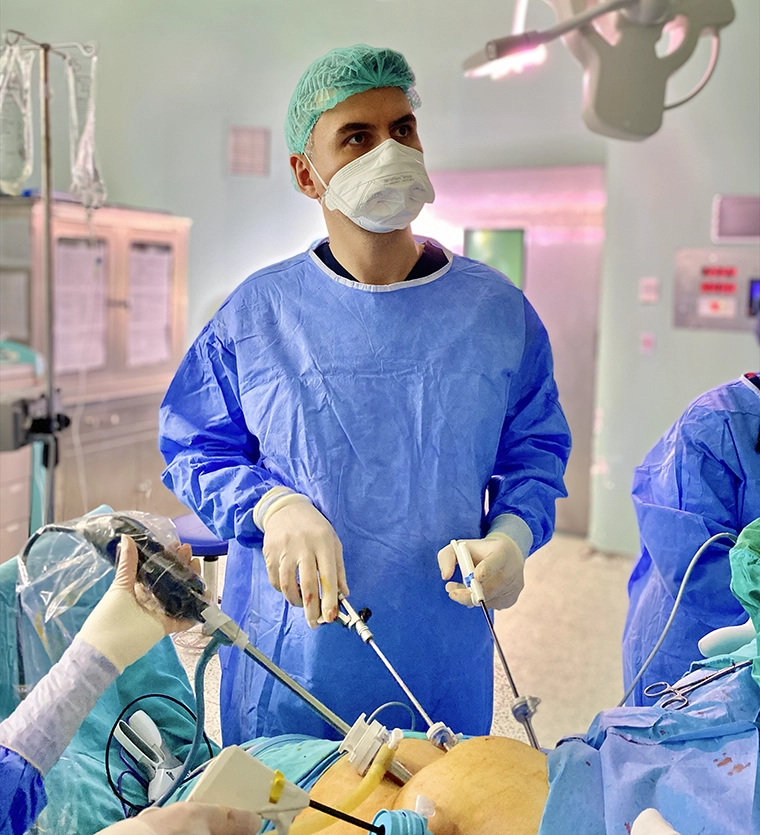
Laparoscopic (closed) fibroid surgery is the removal of fibroids in the uterine wall through small abdominal incisions with the guidance of a camera. It may be preferred especially for intramural or subserosal fibroids of suitable size and number. In laparoscopy, using a magnified image, the fibroid’s capsule is identified, the fibroid is separated from the uterine tissue, bleeding is controlled, and the uterine wall is closed with sutures.
The most important stage of this surgery is the repair of the uterine wall. Removing the fibroid is only one part of the operation. The truly critical point is closing the remaining uterine muscle layer in a strong and anatomically correct manner. The quality of this repair is especially important for patients planning a future pregnancy. If the uterine wall is not adequately repaired, serious risks such as uterine wall dehiscence or rupture may arise during pregnancy, although rarely.
Laparoscopic myomectomy requires tissue extraction techniques to remove the fibroid from the abdomen. In the past, a cutting procedure called morcellation was commonly used; however, due to the risk of unexpected cancer (sarcoma),particular care must be taken to perform morcellation inside a special containment bag if it is to be used. The AAGL report on morcellation emphasizes the importance of patient selection, informed consent, and cancer risk assessment in uterine tissue extraction.
Laparoscopic (closed) fibroid surgery is not suitable for every patient. Open surgery may be more appropriate for very large, numerous, or deep fibroids that severely distort the uterus.
Robotic Myomectomy
Robotic fibroid surgery is the removal of fibroids with the assistance of a robotic surgical system. As in laparoscopic surgery, it is performed through small incisions using a closed approach. The surgeon controls the robotic arms via a system such as Da Vinci. The robotic system can provide a magnified three-dimensional image, instrument movements similar to those of the human wrist, and precise suturing.
The potential advantage of robotic fibroid surgery becomes especially apparent during the suturing stage. After the fibroid is removed, the uterine wall must be closed in layers. The range of motion of robotic instruments can make suturing easier in deep or difficult-angle areas. For this reason, a robotic approach may be valuable in patients who wish to conceive, in selected intramural fibroids, and in cases requiring complex repair.
Pregnancy planning after robotic fibroid surgery should also be done carefully, as with laparoscopic or open fibroid surgery. If a deep incision was made in the uterine muscle, the waiting period before pregnancy and the mode of delivery should be discussed. In most cases, a cesarean section may be recommended, but this decision may vary depending on the depth of the surgery, whether the uterine cavity was entered, and how the repair was performed.
Open Myomectomy
Open myomectomy is uterus-preserving fibroid surgery performed through an abdominal incision. Although minimally invasive surgery is more widely preferred today, open myomectomy is still the most appropriate and safest option for some patients.
Open surgery may be more appropriate particularly for very large fibroids, numerous fibroids, cases where the uterus is significantly enlarged, widespread anatomical distortion, cases where safe minimally invasive removal is not possible, or patients in whom the surgery would take excessively long.
The advantages of open surgery include the surgeon’s ability to evaluate the uterus by hand, detect multiple fibroids more easily, remove large fibroids intact, and, in some cases, achieve bleeding control more quickly. Its disadvantages include the loss of the advantages of minimally invasive surgery, such as a larger incision, more wound pain, a longer recovery period, a longer hospital stay, and an increased risk of wound complications. In some patients, open surgery is the safest option. What matters is honestly explaining to the patient why open surgery is recommended, why minimally invasive options are less suitable, and the balance of advantages and risks of open surgery.
Evaluation Before Fibroid Surgery
The evaluation before myomectomy should be thorough. The first step is to understand the patient’s complaints. Is there heavy bleeding? Has anemia developed? Is pain the main issue? Are there pressure symptoms? Is infertility a concern? Is there a history of pregnancy loss, or was the fibroid discovered incidentally? These questions determine whether surgery is necessary.
Ultrasound is the primary imaging method for evaluating fibroids. The number, size, and location of fibroids, their effect on the uterine cavity, their depth within the uterine wall, and their relationship with the ovaries are evaluated. MRI may be required in some patients. MRI can be particularly valuable when there are multiple fibroids, a large uterus, suspected adenomyosis, a need for surgical mapping, or uncertainty regarding the differentiation of cancer (sarcoma).
In patients with bleeding complaints, hemoglobin and ferritin should be evaluated. If anemia is present, iron therapy before surgery, other medical treatments to reduce bleeding if necessary, or temporary shrinkage strategies with GnRH analogues/antagonists may be considered. However, these medications are not automatically given to every patient. Their side effects, effects on the surgical plan, and potential to change the surgical margins of the fibroid should be taken into account.
Whether the uterine cavity (endometrium) is affected is a particularly important question in patients who wish to conceive. If necessary, the cavity is evaluated with saline infusion sonography (SIS),hysteroscopy, or MRI, because fibroids that distort the uterine cavity may have a different treatment priority. In patients presenting with infertility, it can be very helpful to also evaluate semen analysis, ovarian reserve, the fallopian tubes, and age before fibroid surgery. A fibroid is not always the sole cause of infertility.
Bleeding Management in Myomectomy
Fibroid surgery carries a risk of bleeding. Fibroids may be surrounded by blood vessels within the uterine muscle, and bleeding may occur when they are removed. For this reason, bleeding control is very important in surgical planning. Correcting anemia before surgery, careful fibroid mapping, and the use of appropriate techniques during surgery increase safety.
Regardless of the technique used, there is a risk of bleeding in fibroid surgery. However, this risk is somewhat lower with minimally invasive methods (laparoscopy, robotic surgery, hysteroscopy).
In some cases, patients should be informed about the possibility of a blood transfusion during or after fibroid surgery. This possibility is not high for every patient, but it may increase with large, numerous, or deep fibroids.
Recovery After Myomectomy
The recovery time after myomectomy varies depending on the surgical method, the number of fibroids removed, the depth of the incision made in the uterine wall, blood loss, and the patient’s general health.
Recovery after hysteroscopic fibroid surgery is usually faster.
With fibroid surgeries performed using closed methods (laparoscopic or robotic),external recovery may be faster due to the small incisions. In open myomectomy, recovery may take longer because of the abdominal incision.
However, there is an important point here. The fact that a closed procedure was performed does not mean that no significant surgery was done on the uterine wall. Although the abdominal incisions are small after laparoscopic or robotic fibroid surgery, a major repair may have been carried out within the uterine muscle. For this reason, the waiting periods recommended by the physician regarding heavy lifting, intense exercise, sexual intercourse, and pregnancy plans should be followed.
After surgery, there may be mild vaginal bleeding, pelvic pain, fatigue, and tenderness at the incision sites. Signs such as fever, foul-smelling discharge, increasing abdominal pain, heavy bleeding, shortness of breath, leg swelling or pain, difficulty urinating, or redness or discharge at the incision site require evaluation.
The pathology result after surgery must always be reviewed. The vast majority of fibroids are benign, but pathological examination of the removed tissue is important. Although rare, unexpected results may be found.
Pregnancy After Myomectomy
For patients who wish to conceive, one of the most important issues after fibroid surgery is when the uterus will be ready for pregnancy. This period varies depending on the location of the fibroid, the depth of the incision in the uterine wall, whether the uterine cavity was entered, the number of fibroids, and how the uterine wall was repaired. Waiting a few months is generally recommended, but the duration should be determined individually. The advice of the surgeon who performed the operation should be followed.
The integrity of the uterine wall is important in pregnancy after fibroid surgery. Particularly if a deep intramural fibroid was removed or the uterine cavity was entered, delivery is often planned as a cesarean section. The reason is to reduce the risk of uterine rupture, a rare but serious problem that may occur in the uterine wall during labor contractions.
In patients planning IVF, the timing of embryo transfer after fibroid surgery is planned separately. Even if the uterine cavity has been corrected, the uterine muscle needs time to heal. Performing an embryo transfer immediately would not be appropriate.
Can Fibroids Recur After Myomectomy?
Yes, they can. After fibroid surgery, new fibroids may develop, or small fibroids that were left behind may grow over time. Fibroid surgery is an operation that preserves and clears the uterus, but because the uterus remains in place, the potential for fibroid development is not completely eliminated. For this reason, unlike a hysterectomy (removal of the uterus),it does not provide a definitive and permanent solution.
The risk of recurrence is associated with the patient’s age, the number of fibroids, genetic predisposition, hormone sensitivity, and the presence of fibroids too small to be seen during surgery. Patients who undergo fibroid surgery at a young age and have numerous fibroids may be more likely to develop new fibroids in later years. In patients approaching menopause, the tendency of fibroids to grow usually decreases as hormone levels decline.
Recurrence does not always require another surgery. If a new fibroid is small and asymptomatic, it can be monitored. If there is bleeding, pressure, pain, or a condition affecting pregnancy plans, retreatment is considered. For this reason, regular gynecological follow-up after fibroid surgery is important.
The risk of recurrence should be explained to the patient before surgery, because some patients may think of myomectomy as a procedure after which fibroids will never form again. Realistic information is important for managing expectations after surgery.
Myomectomy and Morcellation
Morcellation is the process of dividing large uterine tissue or fibroids into small pieces and removing them from the abdomen. In the past, it was frequently used in minimally invasive surgery to remove large fibroids through small incisions. However, due to the risk of unexpected cancer (uterine sarcoma),morcellation has been approached much more cautiously in recent years. If it is to be used, it should be performed inside a closed containment bag.
The vast majority of fibroids are benign, but rarely, malignant tumors such as leiomyosarcoma may be mistaken for fibroids. Preoperative imaging and tests cannot always make this distinction with certainty. For this reason, morcellation is not appropriate especially for masses that grow after menopause, rapid growth, atypical imaging findings, the presence of risk factors, or suspicious clinical situations.
The AAGL report on morcellation has emphasized the importance of patient selection, informed consent, and malignancy risk assessment during uterine tissue extraction.
If morcellation is planned, this should be explained clearly to the patient. The reason it is necessary, alternative tissue extraction methods, the risk of unexpected malignancy, and how this risk will be managed should be discussed.
Options Other Than Fibroid Surgery
Myomectomy is not the only option for every patient with fibroids. Treatment options vary depending on the patient’s complaints, age, desire for pregnancy, and the characteristics of the fibroid. Medical treatments can reduce bleeding, control pain, or help correct anemia before surgery. Tranexamic acid, nonsteroidal anti-inflammatory drugs (certain painkillers),hormonal treatments, the levonorgestrel-releasing intrauterine system (Mirena),and GnRH analogues/antagonists may be used in some patients.
Uterine artery embolization (blocking the uterine blood vessels) is an interventional radiology procedure that aims to shrink fibroid volume by reducing the blood flow to the fibroids. It may be considered for some patients who do not wish to become pregnant and are looking for an alternative to surgery. However, it should be carefully evaluated in patients who wish to conceive.
In My Clinic...
In my approach, when deciding on surgery for fibroids, I first try to understand the real problem the fibroid is causing for the patient. Is the fibroid causing bleeding? Is it leading to anemia? Is it distorting the uterine cavity? Is it affecting pregnancy plans? Is it causing pressure symptoms, or was it simply discovered incidentally? The answers to these questions determine the treatment plan.
I make the decision for myomectomy much more carefully in patients who wish to conceive. In these patients, the timing of surgery is also very important.
In choosing the surgical method, I follow the principle of “the most appropriate method” rather than “the most modern method.” For example, performing abdominal surgery for a fibroid that can be removed hysteroscopically is unnecessary. Open surgery may not be required for a fibroid that can be safely removed laparoscopically or robotically. However, for very large and numerous fibroids, open surgery can sometimes be the safest option. The success of surgery is not measured by the size of the incision; it should be measured by the safe removal of the right fibroids and good repair of the uterus.
The repair of the uterine wall deserves particular attention in fibroid surgery. In a patient who wishes to conceive, the cavity left after the fibroid is removed must be closed in layers, securely, and with bleeding control. Uterine repair should not be compromised just because a closed procedure is being performed. Good surgery is defined by the quality of the repair done inside.
Fibroid surgery is a valuable uterus-preserving procedure; however, it should be performed with the right expectations.
Common Misconceptions About Myomectomy
One of the most common misconceptions about myomectomy is that every fibroid must be removed. This is not true. Small fibroids that cause no symptoms and do not affect the uterine cavity can often be monitored. The decision for surgery should be based not on the presence of a fibroid but on its clinical impact.
Another misconception is that once a fibroid is removed, fibroids will never appear again. After fibroid surgery, the uterus is cleared of fibroids, but because the uterus remains in place, new fibroids may develop. The likelihood of recurrence is higher, particularly in young patients with numerous fibroids.
The idea that “closed myomectomy is always better than open surgery” is also incorrect. In the right patient, laparoscopic or robotic myomectomy can be very advantageous. However, in some cases, such as very large or numerous fibroids, open surgery may be safer. The best method varies from patient to patient and is decided together with the patient.
The statement “If I have robotic myomectomy, my uterus will definitely be repaired better” is also incomplete. The robotic system can make suturing easier; however, the main factor determining repair quality is the surgeon’s technique and experience. Technology does not replace good surgery.
The belief that “If my fibroid is removed, I will definitely get pregnant” is also not true. Fibroid surgery may increase the chance of pregnancy in some patients, and the benefit is more evident particularly for fibroids that distort the uterine cavity. However, the chance of pregnancy cannot always be measured by the fibroid alone.
The idea that “CA-125 or blood tests can definitively show whether a fibroid is malignant” is incorrect. The vast majority of fibroids are benign, but there is no single test that can definitively rule out rare conditions such as leiomyosarcoma before surgery. The definitive diagnosis is always the pathology result obtained after surgery.
When Should a Patient With Fibroids See a Doctor?
Evaluation for fibroids is necessary if there is heavy menstrual bleeding, bleeding with clots, prolonged periods, anemia, pelvic pain, a sensation of abdominal pressure, frequent urination, constipation, pain during intercourse, or a delay in conceiving. In a patient previously diagnosed with fibroids, re-evaluation should be performed if complaints increase or the fibroid grows.
Fibroids that distort the uterine cavity are particularly important in patients planning a pregnancy. If a fibroid is detected during an evaluation for infertility, recurrent pregnancy loss, or before IVF, whether surgery is necessary should be assessed in detail. Not every fibroid is removed before IVF, but fibroids that may affect embryo implantation should be treated.
Masses that grow after menopause, cause new symptoms, or show an atypical appearance require more careful evaluation. Fibroids generally tend to shrink after menopause. If there is growth or bleeding during this period, the uterine lining and the characteristics of the mass should be examined in detail.
Myomectomy: Summary
Myomectomy is an important gynecological surgery that allows fibroids to be removed while preserving the uterus. It is a valuable treatment option, particularly for heavy bleeding, anemia, pain, pressure symptoms, infertility, recurrent pregnancy loss, or fibroids that distort the uterine cavity.
However, not every fibroid requires surgery. The decision for myomectomy cannot be made based solely on the size of the fibroid. It should be made by considering its location, number, effect on the uterine cavity, and the patient’s age, symptoms, and pregnancy plans.
The surgical method should be selected individually. Good surgery is defined not by the smallest incision, but by the correct indication, safe bleeding control, and strong repair of the uterine wall.
Myomectomy requires special attention in patients who wish to conceive. The healing of the uterine wall, the waiting period before pregnancy, the mode of delivery, and other factors accompanying infertility must be evaluated. The most appropriate approach is to create a personalized treatment plan by considering the patient’s symptoms, reproductive goals, and surgical risks together.
Myomectomy Surgery: Frequently Asked Questions
What is myomectomy?
Myomectomy is surgery to remove fibroids from the uterus while preserving the uterus. It is preferred especially for patients who wish to conceive or preserve their uterus. The goal is not only to remove the fibroid but also to preserve as much uterine tissue as possible and safely repair the uterine wall.
Does every fibroid require surgery?
No. Fibroids that are small, asymptomatic, and do not distort the uterine cavity can often be monitored.
Does the uterus have to be removed during fibroid surgery?
No. The uterus is not removed during fibroid surgery. Only the fibroids are removed, and the uterus is preserved. It is a uterus-preserving procedure.
What methods are used for myomectomy?
Hysteroscopic myomectomy, laparoscopic myomectomy, robotic myomectomy, or open myomectomy may be performed. The method is planned according to the individual patient.
What is hysteroscopic myomectomy?
Hysteroscopic myomectomy is the removal of submucosal fibroids extending into the uterine cavity through the vagina using a camera. No abdominal incision is made.
Is robotic myomectomy advantageous?
It can be advantageous in suitable patients. The robotic system can provide three-dimensional imaging and ease of suturing. It may be beneficial for uterine wall repair, particularly in deep intramural fibroids.
Is open myomectomy a bad option?
No. Depending on the patient, open fibroid surgery may be the safest option for very large, numerous, or complex fibroids. It requires a larger incision, but in some patients it is necessary.
Can fibroids recur after myomectomy?
They can. Because the uterus is preserved after fibroid surgery, the possibility of new fibroids forming remains.
When can I get pregnant after fibroid surgery?
This period varies depending on the type of surgery, the depth of the fibroid, the repair of the uterine wall, and whether the uterine cavity was entered. Waiting a few months is generally recommended. However, the decision of the surgeon who performed the operation is important.
Can I have a vaginal delivery after myomectomy?
It may be possible for some patients. However, if a deep incision was made in the uterus or the uterine cavity was entered, a cesarean section may be recommended.
Is fibroid surgery risky?
Like any surgery, fibroid surgery has risks. These may include bleeding, infection, adhesions, intrauterine adhesions, organ injury, blood transfusion, and, rarely, the need to remove the uterus. The risks vary depending on the size and number of fibroids and the surgical method.
Is a cesarean section mandatory after myomectomy?
Not always. However, a cesarean section may be necessary if a deep incision was made in the uterine muscle, the uterine cavity was entered, or a procedure requiring multilayer repair was performed.
References
- Chen I, Kives S, Randle E, Rattray D, Sanders A, Vilos G. Guideline No. 461: The Management of Uterine Fibroids. Journal of Obstetrics and Gynaecology Canada. 2025;47(8):102970. doi:10.1016/j.jogc.2025.102970.
- American College of Obstetricians and Gynecologists. Management of Symptomatic Uterine Leiomyomas: ACOG Practice Bulletin, Number 228. Obstetrics & Gynecology. 2021;137(6):e100–e115. doi:10.1097/AOG.0000000000004401.
- Saridogan E, Antoun L, Bouwsma EVA, Clark TJ, Di Spiezio Sardo A, Huirne J, Walker TS, Tanos V; European Society for Gynaecological Endoscopy Uterine Fibroids Working Group. European Society for Gynaecological Endoscopy (ESGE) Good Practice Recommendations on surgical techniques for removal of fibroids: part 1 abdominal (laparoscopic and open) myomectomy. Facts, Views & Vision in ObGyn. 2024;16(3):263–280. doi:10.52054/FVVO.16.3.041.
- AAGL Advancing Minimally Invasive Gynecology Worldwide. AAGL practice report: practice guidelines for the diagnosis and management of submucous leiomyomas. Journal of Minimally Invasive Gynecology. 2012;19(2):152–171. doi:10.1016/j.jmig.2011.09.005.
- U.S. Food and Drug Administration. Update: Perform only contained morcellation when laparoscopic power morcellation is appropriate. FDA Safety Communication. Silver Spring, MD: U.S. Food and Drug Administration; 2020.
- Metwally M, Raybould G, Cheong YC, Horne AW. Surgical treatment of fibroids for subfertility. Cochrane Database of Systematic Reviews. 2020;1:CD003857. doi:10.1002/14651858.CD003857.pub4.
- Practice Committee of the American Society for Reproductive Medicine. Removal of myomas in asymptomatic patients to improve fertility and/or reduce miscarriage rate: a guideline. Fertility and Sterility. 2017;108(3):416–425. doi:10.1016/j.fertnstert.2017.06.034.
- Somigliana E, Reschini M, Bonanni V, Busnelli A, Li Piani L, Vercellini P. Fibroids and natural fertility: a systematic review and meta-analysis. Reproductive BioMedicine Online. 2021;43(1):100–110. doi:10.1016/j.rbmo.2021.03.013.
- Carranza-Mamane B, Havelock J, Hemmings R; Reproductive Endocrinology and Infertility Committee. The management of uterine fibroids in women with otherwise unexplained infertility. Journal of Obstetrics and Gynaecology Canada. 2015;37(3):277–285. doi:10.1016/S1701-2163(15)30318-2.
- Tinelli A, Hurst BS, Hudelist G, Tsin DA, Stark M, Mettler L, Malvasi A. Laparoscopic myomectomy focusing on the myoma pseudocapsule: technical and outcome reports. Human Reproduction. 2012;27(2):427–435. doi:10.1093/humrep/der369.