Do Uterine Fibroids Cause Pain?
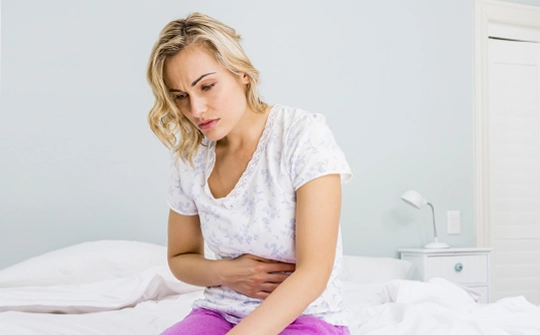
Do Uterine Fibroids Cause Pain?
Uterine fibroids do not always cause pain; many women live with fibroids for years without even knowing they have them. However, as a fibroid grows larger, depending on its location and the pressure it puts on the uterine wall, pain may develop. Fibroids that stretch the muscle tissue of the uterus or press on surrounding organs in particular can cause noticeable discomfort over time.
What Does Fibroid Pain Feel Like?
Fibroid pain does not feel the same for every patient; the type of pain varies depending on the size, location, and number of fibroids and their effect on the uterine wall. While some women experience no pain at all, others may develop significant pelvic discomfort that affects their daily lives. Fibroids that are growing or stretching the muscle layer of the uterus are more likely to cause symptoms.
Rather than starting suddenly, fibroid pain usually develops slowly as a feeling of pressure that increases over time. Medically known as “pelvic pressure,” this sensation is often described by patients as “fullness inside,” “heaviness,” or “constant tightness.” At certain times, cramp-like pain may become more prominent.
Fibroid pain may be felt as:
- Dull, pressure-like pain in the lower abdomen and pelvis
- Cramp-like pain that worsens during menstruation
- Occasional stabbing or sharp episodes of pain
- A feeling of fullness and bloating in the abdomen
- Pain radiating to the lower back
- Pelvic pressure that increases after standing for long periods
- Deep pain during sexual intercourse
- Discomfort caused by pressure on internal organs with large fibroids
- Sudden, severe pain (especially in cases of degeneration)
- Pain that fluctuates throughout the day depending on body position
In some special cases, “degeneration pain” may develop due to a disruption in the fibroid’s blood supply. This pain usually starts suddenly, is more severe, and, unlike typical pressure pain, is more localized and sharp. For this reason, the type of fibroid pain should be evaluated together with clinical findings rather than on its own.
Where Is Fibroid Pain Felt?
Fibroid pain is usually felt in the lower abdomen, the groin, and deep within the pelvis. Fibroids located on the back wall of the uterus may cause pain that radiates to the lower back. Some patients describe this pain as “internal pressure” or a “feeling of heaviness.”
What Are the Symptoms of Fibroid Pain?
Fibroid pain is often accompanied by a feeling of fullness, cramps that worsen during menstruation, frequent urination, and sometimes pain during intercourse. With large fibroids, abdominal swelling and a feeling of pressure become more noticeable. These symptoms vary depending on where the fibroid is located.
Is Fibroid Pain Normal During Pregnancy?
Fibroid pain can be common during pregnancy and usually does not indicate a serious problem. However, fibroids that grow under the influence of pregnancy hormones may press on surrounding tissues. This may also be associated with sudden episodes of pain caused by a condition known as “red degeneration.”
When Is Fibroid Pain Dangerous?
Attention should be paid if fibroid pain is sudden, very severe, does not go away, and is accompanied by fever or heavy bleeding. This may suggest degeneration of the fibroid, torsion (twisting),or another acute problem. In such cases, medical evaluation should be sought without delay.
Does Fibroid Pain Get Worse During Menstruation?
Yes, fibroid pain often worsens during menstruation. Fibroids located close to the uterine cavity in particular can increase uterine contractions during periods, leading to more severe cramp-like pain. Heavy, painful periods are among the most frequently reported symptoms of fibroids.
Do Larger Fibroids Cause More Pain?
In general, larger fibroids tend to cause more pressure and therefore more pain. However, the severity of pain depends not only on size but also on the fibroid’s location within the uterus. Even a small fibroid close to the uterine cavity can cause significant pain.
Can Fibroids Cause Lower Back and Groin Pain?
Yes, fibroid pain can spread to both the lower back and the groin. Fibroids located on the back wall of the uterus in particular can put pressure on nerve structures and cause lower back pain. Groin pain is one of the most common complaints.
What Is Fibroid Degeneration Pain?
What is sometimes described as a fibroid “bursting” is actually, in most cases, “degeneration.” When the fibroid’s blood supply is disrupted, sudden, severe, and localized pain develops. This condition is known as “red degeneration” of a fibroid and is seen more often during pregnancy.
How Is Fibroid Pain Relieved? Treatment Options
The treatment of fibroid pain depends on its cause. For mild pain, painkillers and monitoring may be sufficient, while hormonal treatments or surgical options may be considered in more serious cases. In the current approach, the goal is not only to remove the fibroid, but also to improve the patient’s quality of life and control her symptoms.